

Structural Repairs in Houston, TX
Doors sticking, floors sloping, stair-step cracks widening by the season. These are warnings your house is telling you something is moving under, over, or inside the walls. We partner with Texas-licensed structural engineers on every repair, pull City of Houston permits, and execute the scope with crews who have rebuilt framing on 1,000+ Houston homes since 2015. Safety first, permit compliant, 5-year workmanship warranty.
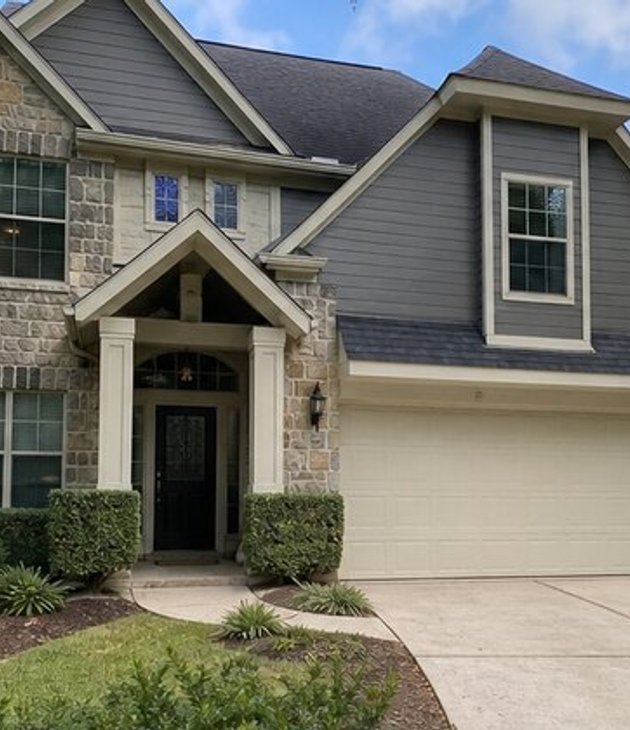


Your house gives warning signs when structure starts moving
Houston homes do not fail by accident. Clay soils expand when saturated and contract in drought, moving slab edges an inch or more per cycle. Gulf Coast humidity rots sill plates where they kiss concrete. Previous owners knock out walls without permits and replace beams with undersized 2x10s. Each of those is survivable on its own. Compounded, they produce the sticking doors, sloping floors, and spreading cracks that bring homeowners to our phone line.
Structural work is the one category of home repair where a weekend warrior, or worse, an unlicensed "handyman," can make the problem permanent. We treat it differently. Every structural job starts with a site inspection by our lead carpenter and a Texas-licensed professional engineer. The engineer draws a stamped plan, we submit for City of Houston permits if the scope requires them, and our framing crew executes to spec with inspections at dry-in and final. No shortcuts. No unpermitted beam swaps.
- Licensed Texas PE on every structural repair scope
- City of Houston permits pulled and managed for you
- LVL, steel I-beam, and engineered lumber as specified
- Temporary shoring maintained through every phase
We fix these common structural issues in Houston
Foundation Shifts & Slab Cracks
Houston's Beaumont clay swells and shrinks dramatically between wet and dry seasons. Slab-on-grade homes built without post-tensioned cables often crack along the perimeter, raising one corner and dropping another. We partner with licensed foundation contractors for pier installs, then handle the interior framing, drywall, tile, and trim repairs that follow.
Rotted Floor Joists & Sill Plates
Pier-and-beam homes in The Heights, Montrose, and older parts of East End commonly have termite or moisture-rotted joists and 2x6 sill plates. We sister new lumber to good joist sections, replace completely compromised pieces, treat with borate, and re-level the subfloor before finish repair.
Load-Bearing Wall Concerns
Homeowners and unlicensed contractors sometimes remove load-bearing walls without replacing the load path. The result is saggy ceilings, cracked drywall above the opening, and doors that will not close properly. We diagnose the load path, size an LVL or steel beam per engineering calcs, and install with temporary shoring so the house never settles during the swap.
Sagging Floors & Spongy Subfloors
A noticeable dip in a hallway or spring in the kitchen floor under foot traffic means the joist below has deflected beyond code limit (typically L/360 for live load). We add blocking, sister new joists, or install a mid-span flush beam depending on the load calc. Subfloor gets replaced if water damaged.
Roof Truss & Rafter Damage
After Hurricane Harvey, Beryl, and hail events we repaired hundreds of roof truss chords and rafters that had cracked or split. Our process is always: temporary shoring, engineer callback, sistered replacement per spec, and then passing structural inspection before roof decking and shingles go back on.
Bowed & Bulging Walls
Houston's long wet summers saturate poured-concrete basement walls (rare here) and CMU garage walls, pushing them inward over time. We diagnose, install carbon-fiber straps or helical tie-backs, and waterproof the exterior grade so the pressure does not build back up.
Why Houston Trusts Saul's With Structural
Engineer on Every Job
We partner with a Texas-licensed PE who stamps every beam, header, and foundation-repair plan we install. No uncertified guesswork.
Full Permit Compliance
Structural work requires City of Houston permits and Harris County inspections. We submit plans, handle rejections, and coordinate inspections so you never stand in line at the permit office.
Transferable 5-Year Warranty
Every workmanship repair is covered for a decade, transferable to the next owner if you sell, which protects resale value.
Here is how our structural repair process works
Engineer-first. Permit-second. Demo and reframe with safety-critical sequencing.
- 01
Site Walk & Symptoms
Lead carpenter documents crack patterns, door swings, floor slopes, and visible framing. Photos and laser measurements go on file.
- 02
Engineer Assessment
Texas-licensed PE visits the site, reviews our documentation, runs load calcs, and produces a stamped remediation plan.
- 03
City Permits & Scope
We submit the engineer's plan to the City of Houston, adjust for reviewer comments, and give you a signed fixed-price contract before work starts.
- 04
Shoring & Selective Demo
Temporary posts and cribbing support the existing load while we expose framing. No structural member comes out without a shored alternate path.
- 05
Beam or Joist Install
LVL beams, glulams, steel flitch plates, or engineered joists installed per the stamped plan. Bolts torqued to spec, hangers and straps as drawn.
- 06
Inspect, Close, Five-Year Warranty
City of Houston structural inspection passes, we close the walls with drywall and finish, and you get a binder with the stamped plan plus five-year warranty.
Call us before structural problems get worse
Doors & Windows That Stick
A single sticking door can be a humidity swell. Three or more doors across different walls means the framing is racking. Windows that will not close square are the same signal at a smaller scale.
Stair-Step Cracks in Brick or Drywall
Diagonal cracks that follow mortar joints on brick exteriors or jog across drywall are the textbook signature of differential foundation settlement. They need structural evaluation before simple drywall patching will hold.
Visible Sag in Ridge or Roof Line
Stand across the street and look at the roof ridge. Any wave, dip, or curve in what should be a perfectly straight line is framing failure. Often pairs with cracked trusses or rafters from hurricane wind loading.
Floor Slopes You Can Feel
Roll a marble in the hallway. If it rolls more than a foot on its own, you are looking at 1/4-inch of slope or more across 10 feet. Framing or foundation needs a look. We often pair this evaluation with drainage work under our landscaping services.
Unpermitted Wall Removal in Past
Many Houston homes have had walls removed at some point without permits. If you notice newer drywall texture, out-of-square door frames in the same area, or cracks that always reopen at one header, the previous repair probably did not replace the load path.
Post-Storm Damage Assessment
After hurricanes, tornadoes, or large hail, we do no-cost visual assessments for Houston-area clients. We document wind damage, uplift on roof framing, and racking on exterior walls, and we provide an Xactimate-style estimate for your insurance adjuster.
Safety First, Always
Emergency Shoring Available
Unsafe sag or active collapse risk gets same-day shoring dispatch, day or night, for Houston-area emergencies.
Free Visual Inspection
No-cost walk-through to document symptoms and advise whether you need an engineer consult. Honest advice, no upsell pressure.
We complete structural work across Greater Houston
Framing, beams, and reframes in Harris, Fort Bend, and Montgomery counties.
Questions homeowners ask about structural repair
Do all structural repairs need an engineer?
Anything involving the load path of the home does. That includes beam sizing, joist replacement, load-bearing wall removal, and foundation repair tie-ins. Non-load-bearing partition walls, simple sistered joists, and cosmetic framing usually do not. City of Houston has the final say on permit scope, and we verify for you on every job.
How do I know if my home has foundation problems?
Classic signs in Houston are stair-step brick cracks outside, diagonal drywall cracks above doors inside, gaps between the baseboard and floor, a chimney pulling away from the house, and doors or windows that will not latch. A zip-level elevation survey plus a visual walk-through tells us whether the slab has moved beyond normal seasonal range.
Can I live in the house during structural work?
For most repairs, yes. We stage shoring outside living areas where possible, work on one room at a time, and keep at least one bathroom and the kitchen running throughout. For major reframes or full-home foundation piers, most families choose to stay elsewhere for the week of active demo and lift.
How long does a typical structural repair take?
A single sistered joist with finish repair is a 2 to 3 day job. An LVL beam installed for a removed load-bearing wall runs 5 to 10 working days from demo to painted finish. Multi-wall reframes with foundation pier coordination routinely take 4 to 8 weeks. The engineer's stamped plan sets the realistic timeline, and we build weather buffer in.
Is structural damage covered by homeowner insurance?
Sometimes. Sudden events like hurricanes, tornadoes, hail, fallen trees, vehicle impact, or plumbing leaks under the slab are commonly covered. Foundation movement from clay soil cycling is usually excluded as a wear-and-tear issue. We document damage with photos and moisture readings and work with your adjuster to separate what is covered from what is not.
Do you handle the foundation piers or just the framing?
We partner with licensed Houston foundation specialists for pier installs (steel push piers, concrete piers, helical). They handle the lift and we do all the interior reframing, drywall, tile, and trim repair that follows. Single point of contact for the whole scope even when two firms are on site.
What if the previous owner removed a wall without permits?
Common problem in Houston. If the wall was load-bearing and a proper beam was not installed, we bring in the engineer, design a retrofit beam, and pull a permit to legalize the work. We then install the correct beam and document the fix for your closing disclosure when you eventually sell.


