

Soffit Repair in Houston, TX
The soffit is the underside of your roof overhang. It closes the eave, keeps pests out of the attic, and in most Houston homes it also doubles as the intake vent for the entire roof ventilation system. When it fails, attics overheat, rafters rot, shingles age faster, and squirrels move in. Saul's Home Improvement rebuilds soffit systems in aluminum, vinyl, and Hardie across Greater Houston.
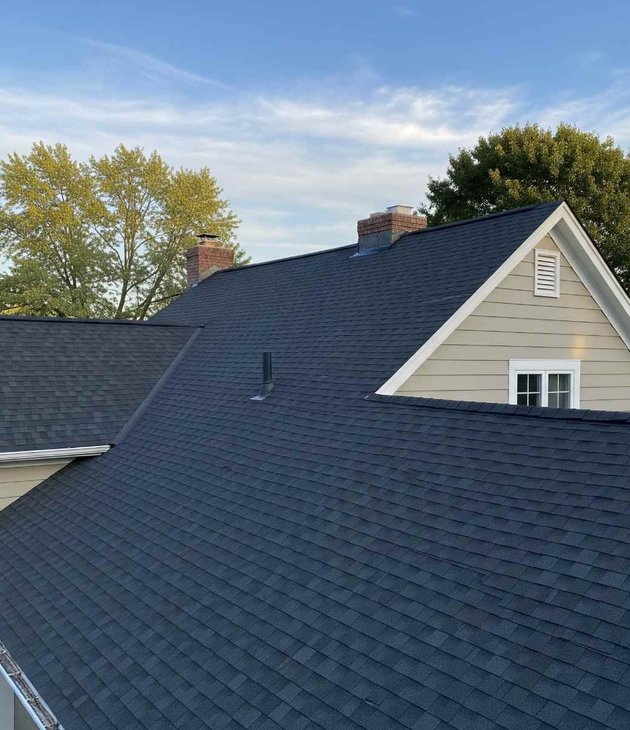
Why does soffit ventilation matter in Houston attics?
Intake & Exhaust Balance
Your attic needs equal parts intake at the soffits and exhaust at the ridge for air to move. The IRC code calls for 1 square foot of net free vent area for every 150 square feet of attic floor, with half at intake and half at exhaust. Blocked or non-vented soffit kills the intake side and the whole system fails.
Houston Attics Run Brutal
An unvented Houston attic hits 160 degrees in August. That heat bakes your shingles from underneath, cooks your AC ducts, and pushes your electric bill up 20% or more. A properly vented soffit drops attic temperatures by 30 to 50 degrees on a summer afternoon.
Moisture Control
Humidity from showers, laundry, and cooking pushes up into the attic. Without airflow that moisture condenses on the underside of the decking and starts mold. Balanced soffit ventilation pulls humid air out continuously, keeping sheathing dry.
Warranty Impact on Shingles
GAF, Owens Corning, and CertainTeed warranties all require compliant attic ventilation. An unvented or under-vented soffit voids the five-year shingle warranty. Before we finalize any soffit install we calculate the vent math and document it in writing for your records.
Attic Ventilation Benefits
Lower Cooling Bills
Balanced ventilation drops peak attic temperature and reduces HVAC runtime.
Longer Roof Life
Cooler decking and drier insulation extend shingle life 3 to 5 years.
Mold Prevention
Airflow keeps sheathing and insulation dry, stopping mold at the source.
Here are the soffit types we install in Houston
Old-style wood soffit on Houston homes is almost always tongue-and-groove pine planks, either hidden behind a mess of paint layers or rotting out from above. When we rebuild, you have three practical choices depending on architectural style, maintenance tolerance, and budget.
- Vented Aluminum Panels Our most-installed system at $10 to $16 per linear foot. Baked-enamel finish holds color 20+ years, 12-inch wide panels snap into J-channel, and built-in perforations deliver 6 to 8 sq inches of net free vent area per linear foot.
- Vinyl Soffit Panels Budget option at $8 to $12 per linear foot. Comparable look to aluminum, lighter to install, but less impact-resistant if something bumps the underside. Fine for second-story eaves out of reach.
- HardieSoffit Fiber Cement Premium at $14 to $20 per linear foot. The best match if you are also installing Hardie Board siding. Available in smooth, stucco, and cedar-grain textures with a 5-year warranty.
- Vented vs Solid Every panel type comes in both. We calculate net free vent area for your attic and specify the right mix.


Does your Houston soffit need repair?
Visible Holes & Pest Entry
Squirrels, raccoons, and rats chew through soft soffit to nest in attics. Once you see a fist-sized hole, animals are already inside. We seal entries permanently with aluminum panels that do not rot and will not chew through again.
Sagging or Dropped Panels
When wood soffit loses structural integrity it drops at the nail line and hangs visibly. Aluminum panels can drop if the installer skipped the F-channel at the wall side. Either way, panels should be perfectly flat against the framing behind them.
Paint Peeling From Below
On painted wood soffit, paint peels downward when moisture migrates through the board. This is usually a sign of poor attic ventilation or a roof leak above the soffit line. Replace the soffit, fix the root cause, and the paint will stay put on the new material.
Water Stains Along the Underside
Dark patches or rust streaks on the soffit mean water is getting in from above, often from a failed gutter seam, bad flashing, or wind-driven rain behind the drip edge. Repair the roof issue first, then replace the soffit so the new panel stays dry.
Rising Attic Temps & Power Bills
If your summer electric bill climbs year over year without obvious cause, your attic ventilation may be failing. Blocked soffit vents choke intake airflow. A vent audit paired with soffit replacement often brings bills back down within a month.
Our Soffit Install Standards
Rafter Tails Inspected First
Rotten tails get sistered with pressure-treated lumber before new soffit goes up.
Insulation Baffles Verified
We climb the attic and verify baffles are open so new vent airflow actually reaches the ridge.
J-Channel and F-Channel Perimeter
Professional trim profile at walls and fascia so panels cannot droop or lift in wind.
Here is how our soffit repair process works
Most Houston soffit jobs wrap in 1 to 3 days.
- 01
Eave & Attic Inspection
We check every soffit run, enter the attic to verify insulation baffles, and calculate net free vent area per IRC code for your home's square footage.
- 02
Tear-Off & Pest Eviction
Old panels removed, animals humanely evicted if found, rafter tails cut back to solid wood and sistered as needed.
- 03
Panel Install & Venting
J-channel anchored to fascia, F-channel at wall, vented panels spaced to hit target net free area, solid panels where no vent is needed.
- 04
Ventilation Verified
Smoke test on a calm day to confirm air moves from soffit to ridge. Documentation saved for five-year manufacturer warranty purposes.
We repair soffits across Greater Houston
Vented soffit rebuilds throughout Harris, Fort Bend, and Montgomery counties.
Questions homeowners ask about soffit repair
What is the difference between fascia and soffit?
Fascia is the vertical trim board behind your gutters. Soffit is the horizontal underside of the roof overhang you see when you look up from the ground. They meet at a 90-degree angle and work as a system. Most Houston homes need both serviced at the same time.
Does my soffit really need to be vented?
Yes, unless you have a sealed foam-insulated attic. For the typical vented attic on a Houston home, soffit intake plus ridge exhaust is code-required and warranty-required for shingle manufacturers. Without vented soffit, attic temperatures spike, ducts lose efficiency, and shingles age faster.
Can I just patch the holes instead of replacing soffit?
Short term, sure. Long term, no. Patches on old pine soffit almost always crack open again within a season or two, especially with pest pressure and moisture. Once you are going up a ladder to patch, budgeting for a full aluminum replacement is the smarter investment.
Will new soffit stop squirrels and raccoons?
Aluminum soffit with proper J-channel sealing stops rodents and most small mammals cold. Raccoons are strong enough to rip panels if they smell food above, so we also seal transitions at the wall and fascia with foam blocks. If you suspect active pests, call your wildlife pro first, then we close the system.
How is soffit venting measured?
Net free vent area, in square inches per linear foot of soffit. Full-perforation aluminum panels usually deliver 6 to 8 sq inches of net free area per foot. We calculate your attic square footage, divide by 150 as IRC requires, split that in half for intake, and spec the panel mix to hit the target. Math shows up on your written quote.
Will insurance pay for soffit damage?
If storm damage from a hurricane, wind event, or hail caused it, yes. Most Texas homeowner policies pay to replace soffit damage from covered perils, usually bundled with roof and gutter claims. Pest damage and gradual rot are considered maintenance and not covered. Our roof inspection report documents cause of damage either way.
Should I replace soffit at the same time as my roof?
If your soffit is over 15 years old or showing any of the failure signs, yes. Bundling soffit with a roof replacement means one mobilization, one crew, one cleanup, and a coordinated ventilation design so your new five-year shingle warranty stays valid. Save 10 to 15% on labor versus separate jobs.


